Gas vs Electric Hot Water Systems: Which Is Best for Your Home?
Hot water is something most households rely on every single day. From morning showers to washing dishes and doing laundry, a reliable hot water system is essential for comfortable living.
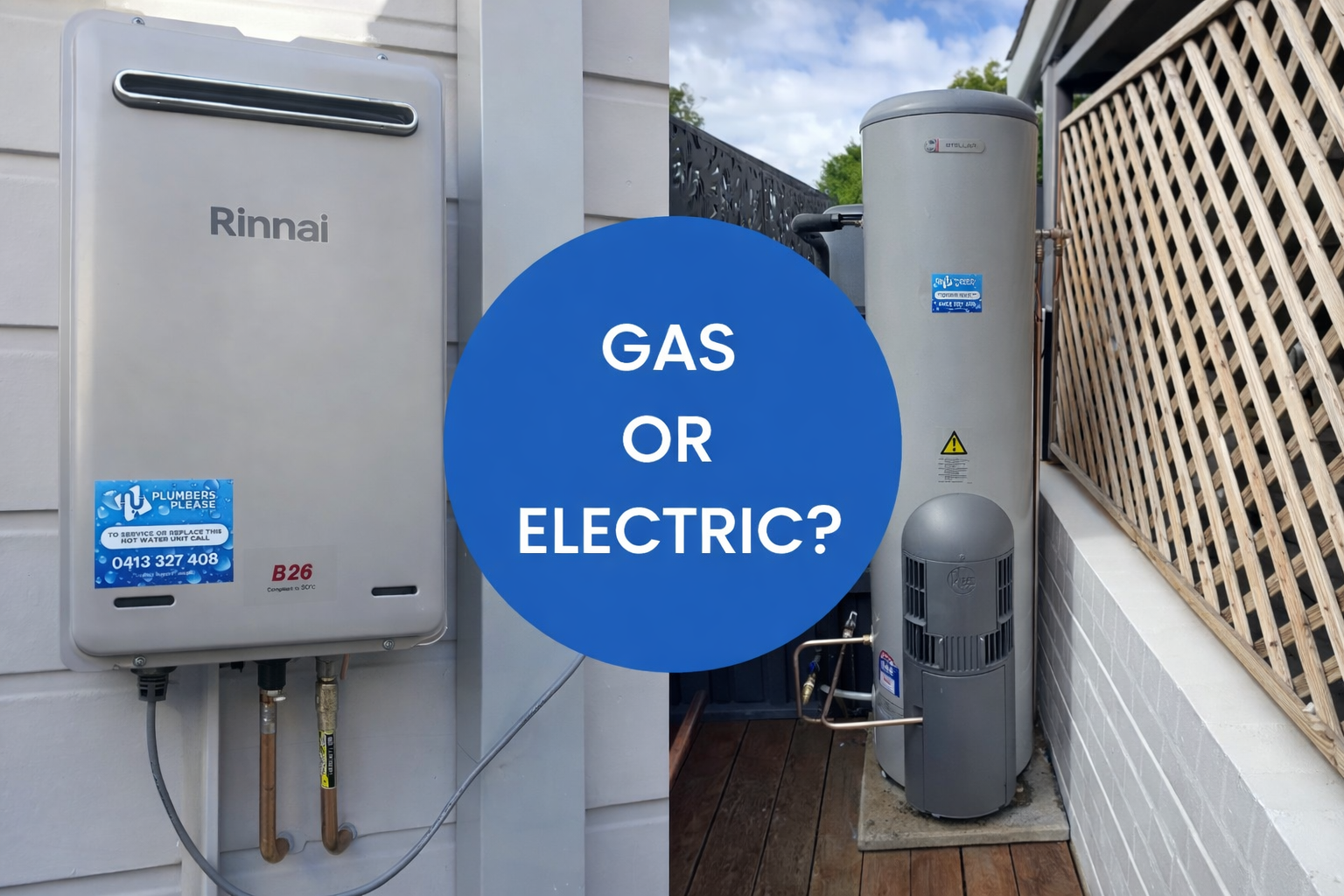
If your current system is getting older or starting to struggle, you may be wondering whether a gas or electric hot water system is the better choice for your home.
Both options have their advantages, and the right solution often depends on your household needs, energy setup, and budget.
Here’s what homeowners should consider before choosing a new hot water system.
Gas Hot Water Systems
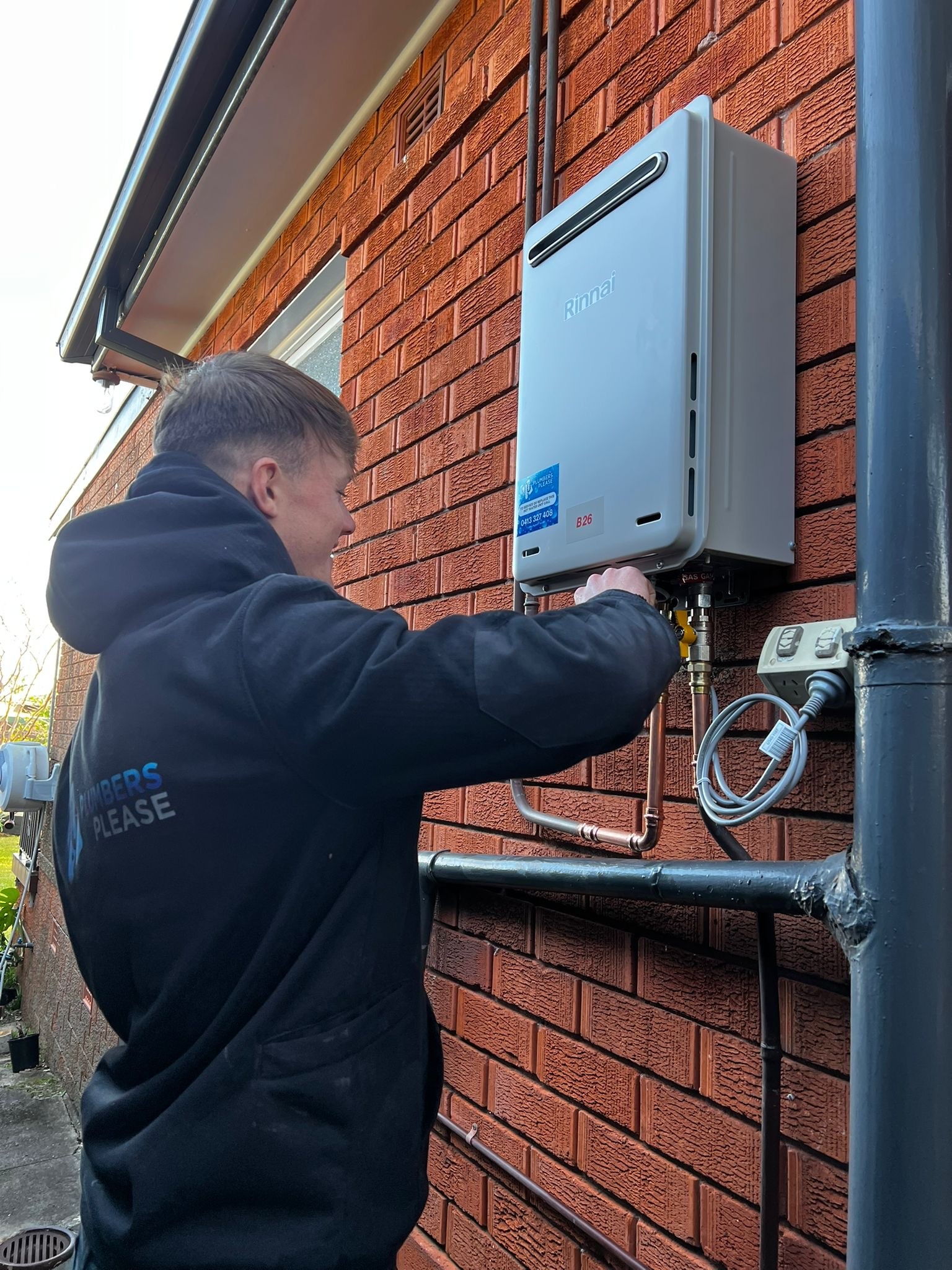
Gas hot water systems are a popular option for many Australian homes, particularly those already connected to natural gas.
Gas systems heat water quickly and are known for their strong recovery rate, meaning they can reheat water faster after heavy usage.
Advantages of Gas Systems
- Faster heating times – Gas systems typically heat water quicker than electric models.
- Lower running costs – In many cases, natural gas is cheaper than electricity.
- Better for larger households – Ideal for homes with multiple bathrooms or high hot water demand.
- Continuous flow options – Gas systems can provide endless hot water when sized correctly.
Things to Consider
Gas systems do require a gas connection and proper ventilation for safe installation. The upfront installation cost can sometimes be higher if gas lines need to be installed.
Electric Hot Water Systems
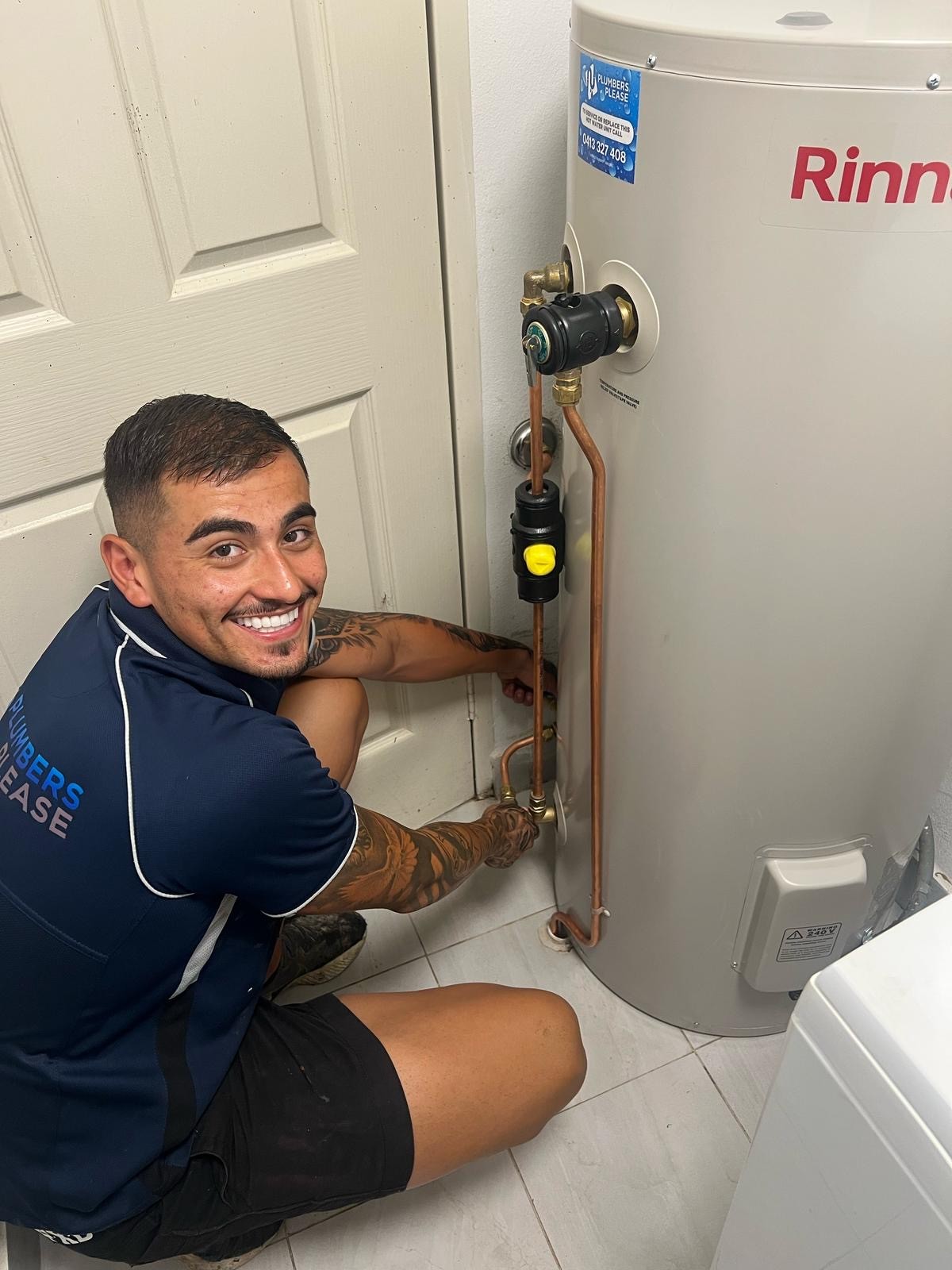
Electric hot water systems are commonly found in many homes because they are relatively simple to install and widely available.
They heat water using an electric element inside the tank and are often the most straightforward option for homes without gas connections.
Advantages of Electric Systems
- Lower installation costs – Electric systems are generally easier and cheaper to install.
- Simple setup – No gas connection required.
- Suitable for smaller households – Often sufficient for homes with lower hot water demand.
- Available almost everywhere – Electricity is available in every property.
Things to Consider
Electric systems can have higher running costs, especially if your household uses a large amount of hot water.
Lifespan of Hot Water Systems
Most hot water systems typically last 8–12 years, depending on the type, water quality, and how well the system has been maintained.
Signs your system may be reaching the end of its life include:
- Inconsistent hot water
- Rust coloured water
- Strange noises coming from the tank
- Leaks around the unit
- Hot water running out quickly
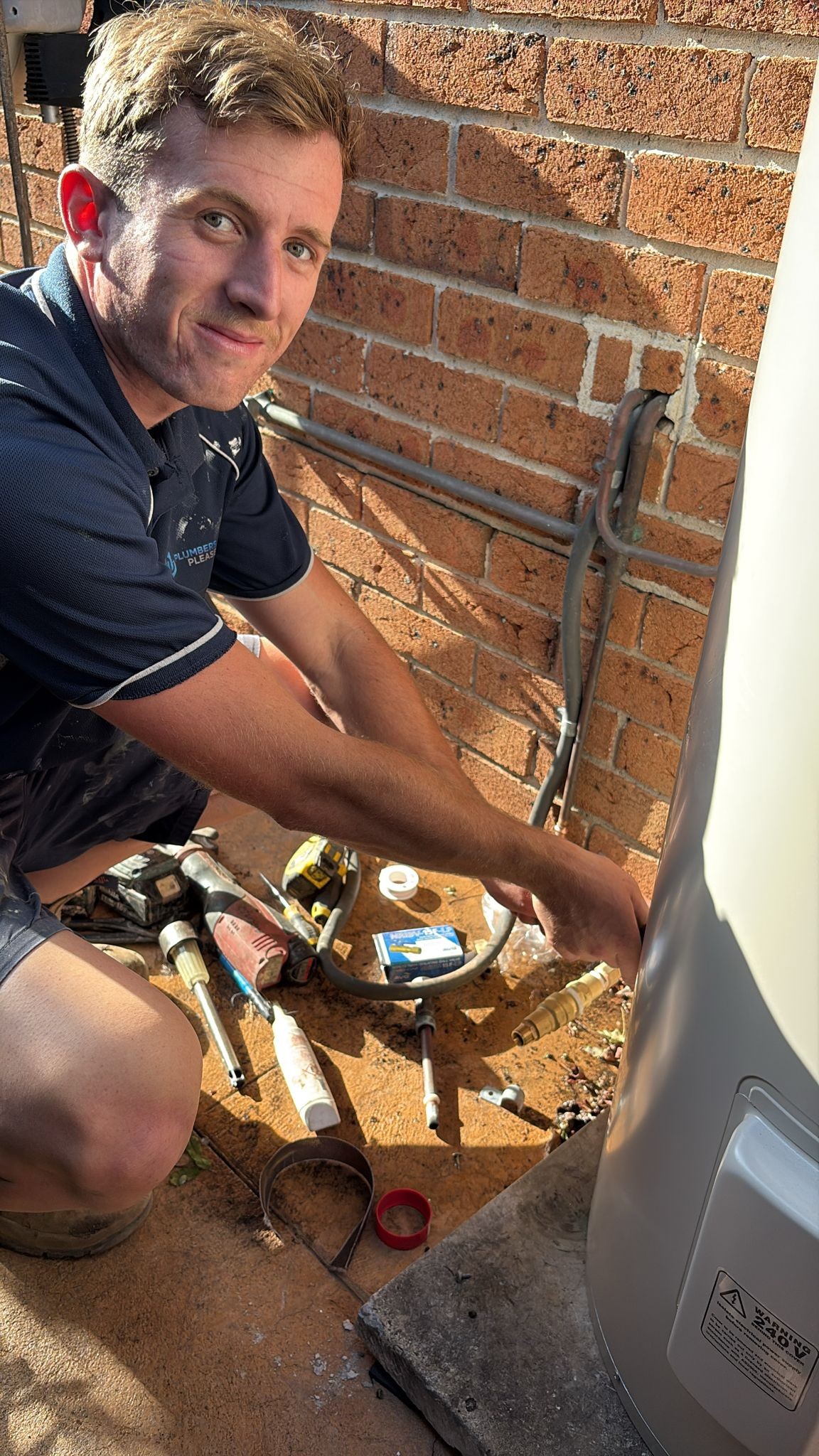
If your system is showing these signs, it may be more cost-effective to replace it rather than continue repairing it.
Which System Is Right for Your Home?
Choosing the right hot water system depends on several factors, including:
- Household size
- Hot water usage
- Whether your property has gas connected
- Energy costs in your area
- Installation requirements
A professional plumber can assess your current setup and recommend the most suitable option for your home and budget.
Professional Hot Water Installation
Installing a new hot water system isn’t just about choosing between gas or electric. Proper sizing, installation, and compliance with plumbing and safety regulations are essential to ensure the system operates efficiently and safely.
At Plumbers Please, we supply and install a wide range of hot water systems across Sydney.
Whether you’re upgrading an old system or installing a new one, our experienced team can help you choose the right solution for your home.